How Long Does A Bonsai Tree Live: The Ultimate GuideConclusion
Are you considering getting a bonsai tree? Or, perhaps you already have one and are wondering how long it will live? Bonsai trees are fascinating living works of art that require care and attention. They are known for their longevity and beauty, but how long does a bonsai tree live?
In this ultimate guide, we'll explore everything you need to know about the lifespan of a bonsai tree. From factors that influence its life expectancy to the steps you can take to help it thrive, we've got you covered.
Understanding the Lifespan of a Bonsai Tree
Before we dive into the details, let's with a basic understanding of what a bonsai tree is and how it differs from a regular tree. A bonsai tree is a miniature version of a full-sized tree, grown in a pot or container. It is trained to grow in a specific shape or style, often resembling a mature tree in nature.
The lifespan of a bonsai tree varies depending on several factors such as the species of the tree, the care it receives, and the growing conditions. Some species have longer lifespans than others, while some may live for only a few years.
Species of Bonsai Trees and Their Lifespan
Different species of bonsai trees have different lifespans, and it's important to choose the right species depending on your goals and preferences. Here are a few examples:
Japanese Maple (Acer palmatum)
Japanese Maple is a popular choice for bonsai enthusiasts due to its stunning fall colors and unique leaf shape. With proper care, it can live for over 100 years.
Chinese Elm (Ulmus parvifolia)
Chinese Elm is another popular species that thrives in most climates. It has a relatively long lifespan and can live for over 50 years.
Juniper (Juniperus spp.)
Junipers are one of the most commonly used species for bonsai trees. They have a slow growth rate and can live for over 100 years with proper care.
Pine (Pinus spp.)
Pines are a popular choice for outdoor bonsai trees due to their resilience and stunning appearance. Some species, such as the Japanese White Pine, can live for over 400 years.
Factors That Influence The Lifespan Of A Bonsai Tree
Several factors can influence the lifespan of a bonsai tree. Here are some of the most important ones:
Care and Maintenance
Proper care and maintenance are crucial for the health and longevity of a bonsai tree. Regular watering, fertilizing, pruning, and repotting can help ensure that the tree thrives.
Growing Conditions
The growing conditions of a bonsai tree, such as light, temperature, and humidity, can also affect its lifespan. Different species have different requirements, and it's important to provide the right conditions for your tree to thrive.
Disease and Pests
Disease and pests can be a significant threat to the health of a bonsai tree. Regular inspections and treatments can help prevent or address these issues before they cause serious harm.
Age
The age of a bonsai tree can also influence its lifespan. Older trees may be more susceptible to disease and other issues, but they can also be more resilient and adaptable.
Steps To Help Your Bonsai Tree Thrive
Now that we've covered the factors that influence the lifespan of a bonsai tree, let's explore some steps you can take to help your bonsai tree thrive.
Choose the Right Species
Choosing the right species of bonsai tree is crucial for its health and longevity. Consider factors such as climate, growing conditions, and your level of experience before making a choice.
Provide the Right Growing Conditions
Providing the right growing conditions is essential for the health and longevity of a bonsai tree. Make sure to provide adequate light, temperature, humidity, and soil conditions for your tree to thrive.
Water Regularly
Watering is one of the most important aspects of bonsai tree care. Make sure to water your tree regularly and adjust the frequency depending on the season and growing conditions.
Prune and Shape Regularly
Pruning and shaping are essential for maintaining the shape and health of a bonsai tree. Regular pruning can help prevent disease and pests and keep your tree looking its best.
Repotting
Repotting is necessary to ensure that your bonsai tree has enough space to grow and thrive. It's recommended to repot your tree every 2-3 years.
Frequently Asked Questions
Here are some frequently asked questions about the lifespan of a bonsai tree:
Q1: How long does a bonsai tree live?
The lifespan of a bonsai tree varies depending on several factors such as the species of the tree, the care it receives, and the growing conditions. Some species have longer lifespans than others, while some may live for only a few years.
Q2: Does pruning a bonsai tree affect its lifespan?
Pruning is essential for maintaining the shape and health of a bonsai tree. Regular pruning can help prevent disease and pests and keep your tree looking its best.
Q3: Can bonsai trees live indoors?
Yes, many species of bonsai trees can thrive indoors as long as they receive adequate light, humidity, and other growing conditions.
Q4: How often should I fertilize my bonsai tree?
It's recommended to fertilize your bonsai tree every two weeks during the growing season and reduce the frequency during the dormant season.
Q5: Do bonsai trees require special soil?
Yes, bonsai trees require a special type of soil that is well-draining and provides adequate nutrients. You can purchase bonsai soil or make your own using a mix of organic and inorganic materials.
Q6: Can I shape my bonsai tree into any shape I want?
Yes, you can shape your bonsai tree into any shape or style you want, but it's important to do so gradually and with care to avoid damaging the tree.
Q7: Can I train my bonsai tree to grow in a specific direction?
Yes, you can train your bonsai tree to grow in a specific direction by using wires and other techniques. Just be careful not to apply too much force and damage the tree.
Q8: How often should I water my bonsai tree?
The frequency of watering depends on several factors such as the species of the tree, the growing conditions, and the climate. As a general rule, it's recommended to water your bonsai tree when the soil feels slightly dry to the touch.
Q9: How do I know if my bonsai tree is healthy?
A healthy bonsai tree should have bright green leaves, sturdy branches, and a well-defined shape. It should also be free from pests and disease.
Q10: Can I keep my bonsai tree outside during winter?
Some species of bonsai trees can tolerate cold temperatures and can be kept outside during winter. However, it's important to protect them from frost and other harsh conditions.
In conclusion, the lifespan of a bonsai tree depends on several factors such as the species of the tree, the care it receives, and the growing conditions. By choosing the right species, providing the right growing conditions, and taking proper care of your tree, you can help ensure that it thrives for many years to come.
11 How long does a bonsai tree live Images

What Does Bonsai Mean And Symbolize Bonsai Tree Gardener Bonsai

Another Very Good Choice For A First Bonsai This Is A Shefflera

Google Image Result For Https548038smushcdncom934934wpcontent

Bonsai Pots Bonsai Tree Care Bonsai Tree Price Buy Bonsai Tree

Small Trees At Their Best Shohin Bonsai On Display At The 2017 WBC
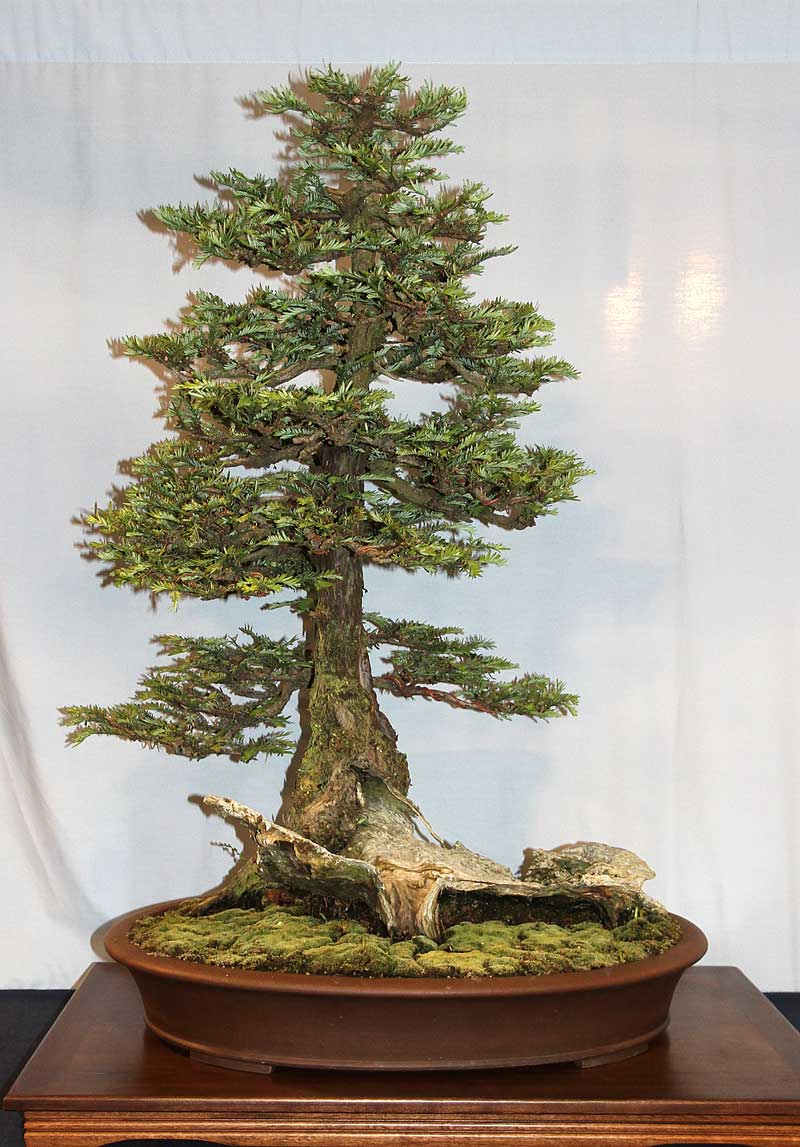
Bonsai Tree Bonsai Tree Care Redwood Bonsai

Limber Pine No 3 Bonsai Mirai Bonsai Tree Types Bonsai Tree Care

160 Bonsai Ideas Bonsai Bonsai Tree Bonsai Garden

Bonsai Artist Resources For A Living Artform You Will Enjoy Bonsai

How To Take Care Of A Bonsai Tree Cleanipedia Bonsai Trees For Sale

Grow Your First Bonsai From Seed With Images Bonsai Garden Bonsai
Post a Comment for "How Long Does A Bonsai Tree Live: The Ultimate GuideConclusion"