Andromischus: The Mesemb that captures the heart
Andromischus is a genus of succulent plants in the family Aizoaceae. This unique Mesembryanthemum species is native to South Africa, known for its small, compact size and distinctive features. Its name comes from the Greek words "andros" meaning male, and "mischos" meaning stem, referring to the peculiar appearance of the stem tips that resemble tiny male genitalia.
Andromischus is a popular choice among succulent enthusiasts due to its fascinating appearance, ease of care, and versatility. The plant's compact size and slow growth rate make it ideal for indoor growing, and it thrives in bright light and well-draining soil. In this article, we will explore everything you need to know about Andromischus, including its origin, appearance, care, and propagation.
Origin and Taxonomy
Andromischus belongs to the subfamily Ruschioideae, which includes other popular genera like Conophytum and Lithops. It was first described by the British botanist William Henry Harvey in 1862, who named it after its unique stem morphology. There are currently around 15 recognized species of Andromischus, all of which are endemic to South Africa.
Appearance
Andromischus is a small, compact plant that typically grows up to 10 cm tall. Its leaves are fleshy and triangular or ovate in shape, with a range of colors and patterns depending on the species. Some have waxy, green leaves with prominent white spots, while others have red or maroon leaves with intricate markings.
One of the most distinctive features of Andromischus is the shape of its stem tips. Each one resembles a tiny phallic shape, with a round head and pointed tip. This unique feature has earned it the nickname "penis plant" among some growers.
Care
Andromischus is a relatively easy plant to care for, making it an excellent choice for beginners. It prefers bright, indirect light and well-draining soil with plenty of perlite or sand mixed in. Watering should be sparingly, allowing the soil to dry out completely between waterings. Overwatering can cause root rot and other issues, so it's essential to be cautious.
During the growing season (spring and summer), Andromischus may benefit from a light feeding of succulent fertilizer every few weeks. However, this is not strictly necessary, and the plant will do fine without it.
Propagation
Andromischus can be propagated through stem or leaf cuttings. Stem cuttings should be taken in spring or summer when the plant is actively growing. Leave the cutting to dry for a few days before planting it in well-draining soil. Leaf cuttings are also possible, but they take longer to root and are generally less successful.
When propagating Andromischus, it's crucial to avoid overwatering and keep the plant in a warm, bright location. With proper care, your cuttings should begin to root within a few weeks to a few months.
Common Varieties
There are several popular varieties of Andromischus, each with its unique appearance and growth habits. Here are some of the most common:
- Andromischus cristatus: This species has triangular, waxy green leaves with white spots and a distinctive crest on the top of the stem.
- Andromischus filicaulis: A slow-growing species with long, thin leaves that resemble delicate fern fronds.
- Andromischus marianae: This variety has red or maroon leaves with intricate markings and a slightly more compact growth habit than other species.
- Andromischus pubescens: A popular species with fuzzy, grey-green leaves and a compact growth habit.
Pests and Diseases
Andromischus is generally resistant to pests and diseases. However, like all succulents, it can suffer from overwatering or poor soil conditions, which can lead to root rot or other issues. Spider mites and mealybugs may occasionally infest the plant, but these can usually be controlled with an insecticidal soap or neem oil spray.
Andromischus in Culture
Andromischus has become a beloved plant among succulent enthusiasts and collectors. Its unique appearance and ease of care make it an excellent choice for indoor growing, and its slow growth rate means that it won't quickly outgrow its container.
In South African culture, Andromischus is sometimes used medicinally to treat a variety of ailments, including chest pains, stomach problems, and skin irritations. It is also believed to have protective properties and is sometimes placed in homes or gardens to ward off evil spirits.
Andromischus is a fascinating plant with a unique appearance and easy-care requirements. Whether you're a beginner succulent grower or a seasoned collector, this Mesembryanthemum genus is sure to capture your heart. With proper care and attention, you can enjoy the beauty of Andromischus for years to come.
Frequently Asked Questions
Q1: How often should I water my Andromischus?
A1: Watering should be sparingly, allowing the soil to dry out completely between waterings. Overwatering can cause root rot and other issues, so it's essential to be cautious.
Q2: Can Andromischus tolerate low light conditions?
A2: While Andromischus prefers bright, indirect light, it can tolerate lower light conditions. However, this may cause the plant to grow more slowly and produce fewer leaves.
Q3: How do I propagate Andromischus?
A3: Andromischus can be propagated through stem or leaf cuttings. Stem cuttings should be taken in spring or summer when the plant is actively growing, and leaf cuttings take longer to root but are also possible.
Q4: Is Andromischus toxic to pets?
A4: While Andromischus is not considered highly toxic, it's best to keep it away from pets and small children as a precaution.
Q5: What soil mix should I use for Andromischus?
A5: Andromischus prefers well-draining soil with plenty of perlite or sand mixed in. Avoid heavy soils that retain moisture.
Q6: How often should I fertilize my Andromischus?
A6: During the growing season (spring and summer), Andromischus may benefit from a light feeding of succulent fertilizer every few weeks. However, this is not strictly necessary, and the plant will do fine without it.
Q7: Can Andromischus grow outdoors?
A7: Andromischus can be grown outdoors in warm, dry climates with well-draining soil. However, it may require protection from extreme heat or cold.
Q8: How can I prevent pests and diseases in my Andromischus?
A8: To prevent pests and diseases, avoid overwatering and keep the plant in a warm, bright location. Spider mites and mealybugs can usually be controlled with an insecticidal soap or neem oil spray.
Q9: What is the meaning behind the name "Andromischus"?
A9: The name "Andromischus" comes from the Greek words "andros" meaning male, and "mischos" meaning stem, referring to the peculiar appearance of the stem tips that resemble tiny male genitalia.
Q10: How big does Andromischus get?
A10: Andromischus is a small, compact plant that typically grows up to 10 cm tall.
12 Andromischus Images

640 Succulents Ideas Succulents Planting Succulents Cacti And

Adromischus Festivus Succulent Gardening Planting Succulents Succulents

Andromischus Maculatus Succulent Names Succulent Care Succulent Images

RARE ADROMISCHUS TRIGYNUS RUPICOLA Leave Barrel Cactus Succulent
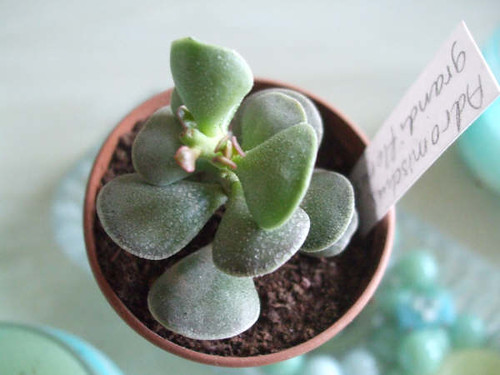
Andromischus Grandiflorus Hardy Plants Plants Succulents

Andromischus Triflorus Calico Hearts Planting Succulents

Andromischus Triflorus Plants Purple Plants Succulents

Excited To Share The Latest Addition To My Etsy Shop Andromischus

1000 Images About Succ Adromischus On Pinterest Growing Succulents

230 Andromischus Ideas Planting Succulents Succulents Cacti And

Pin Page

Get A 100 ITunes Gift Card For Only 85 Fast Email Delivery
Post a Comment for "Andromischus: The Mesemb that captures the heart"