Sarian Alocasia: The Ultimate Guide for Plant LoversConclusion
Are you looking for a plant that will add an exotic touch to your home décor? Look no further than the Sarian Alocasia. This stunning plant is sure to turn heads with its large, uniquely shaped leaves and vibrant colors. In this ultimate guide, we'll cover everything you need to know about the Sarian Alocasia, from its origins to its care requirements.
The Sarian Alocasia is a tropical plant native to Southeast Asia and the Pacific Islands. It's a member of the Araceae family, which also includes other popular houseplants such as the peace lily and the philodendron. The Sarian Alocasia is known for its striking foliage, which can grow up to 3 feet long and 2 feet wide. The leaves are a deep green color with prominent veins, and they have a unique arrowhead shape. The undersides of the leaves are a rich purple color, adding even more visual interest to this already stunning plant.
Origins
The Sarian Alocasia is believed to have originated in the Philippines, where it was first discovered by horticulturist Lino Rom in the early 1980s. Rom noticed the plant growing in a remote area of the country and brought it back to his nursery to propagate. He named the plant after his wife, Sarian.
Since then, the Sarian Alocasia has become a popular houseplant around the world. Its unique appearance and relatively easy care requirements make it a favorite among plant enthusiasts.
Care Requirements
If you're interested in adding a Sarian Alocasia to your collection, there are a few things you should know about caring for this tropical beauty. Here are some key tips:
Light
The Sarian Alocasia prefers bright, indirect light. Too much direct sunlight can scorch the leaves, so it's best to keep it in a spot where it will receive filtered light throughout the day.
Water
Like many tropical plants, the Sarian Alocasia likes to be kept moist but not waterlogged. Water it thoroughly when the top inch of soil feels dry, but be sure to drain any excess water from the saucer. Overwatering can lead to root rot, which can be fatal for your plant.
Humidity
The Sarian Alocasia prefers high humidity, so consider placing it near a humidifier or misting it regularly. If the air in your home is particularly dry, you may need to supplement with a pebble tray or other humidity-boosting method.
Soil
The Sarian Alocasia prefers well-draining soil that's rich in organic matter. You can purchase a commercial potting mix designed for tropical plants, or make your own by combining equal parts peat moss, perlite, and vermiculite.
Temperature
The Sarian Alocasia prefers warm temperatures between 65 and 80 degrees Fahrenheit. Avoid exposing it to temperatures below 60 degrees, as this can cause damage to the leaves.
Propagation
If you're interested in propagating your Sarian Alocasia, you have a few options. One of the easiest methods is to divide the plant at the root ball. Simply remove the plant from its pot, gently tease the roots apart, and replant each section in its own pot.
You can also propagate the Sarian Alocasia through stem cuttings. Take a cutting that includes at least one node, and plant it in moist soil. Keep the soil moist and provide bright, indirect light until new growth appears.
Pests and Diseases
Like all plants, the Sarian Alocasia is susceptible to pests and diseases. Some common issues include:
Spider mites
These tiny pests can be difficult to see with the naked eye, but you may notice webbing on the undersides of the leaves. Spider mites can be controlled with regular misting and the use of insecticidal soap.
Mealybugs
Mealybugs are small, white insects that can congregate in large numbers on the leaves and stems of your plant. They can be controlled with insecticidal soap or neem oil.
Root rot
Overwatering can lead to root rot, which can be identified by a foul odor and mushy, discolored roots. To prevent root rot, be sure to allow the soil to dry out slightly between waterings.
Frequently Asked Questions
Q: Can I grow a Sarian Alocasia outdoors?
A: While the Sarian Alocasia is a tropical plant that prefers warm temperatures and high humidity, it can be grown outdoors in certain climates. However, it's important to protect the plant from direct sunlight and cold temperatures.
Q: How often should I fertilize my Sarian Alocasia?
A: You can fertilize your Sarian Alocasia once a month during the growing season (spring and summer). Use a balanced fertilizer with an N-P-K ratio of 10-10-10.
Q: Can I prune my Sarian Alocasia?
A: Yes, you can prune your Sarian Alocasia to control its size or shape. Use clean, sharp scissors to remove any unwanted leaves or stems.
Q: What should I do if my Sarian Alocasia's leaves turn yellow?
A: Yellowing leaves can be a sign of overwatering or underwatering. Check the soil moisture level and adjust your watering schedule accordingly.
Q: Can the Sarian Alocasia be toxic to pets?
A: Yes, the Sarian Alocasia is toxic to pets if ingested. Keep it out of reach of dogs and cats.
Q: How long do Sarian Alocasia plants live?
A: With proper care, a Sarian Alocasia can live for several years.
Q: Can I grow multiple Sarian Alocasia plants in the same pot?
A: While it's possible to grow multiple plants in the same pot, it's generally not recommended. Each plant should have its own pot to allow for proper root growth and prevent overcrowding.
Q: What should I do if my Sarian Alocasia's leaves are wilting?
A: Wilting leaves can be a sign of underwatering or overwatering. Check the soil moisture level and adjust your watering schedule accordingly.
Q: How do I know when it's time to repot my Sarian Alocasia?
A: If your Sarian Alocasia is outgrowing its current pot or the roots are ing to emerge from the bottom of the pot, it's time to repot. Generally, you should plan to repot every 1-2 years.
Q: Can I grow a Sarian Alocasia from seed?
A: While it's possible to grow a Sarian Alocasia from seed, it's not the most common method of propagation. It can take several years for a plant grown from seed to mature.
The Sarian Alocasia is a unique and beautiful tropical plant that's sure to make a statement in your home. With the right care, this plant can thrive and bring joy for years to come.
15 Sarian alocasia Images

17 Best Images About Colocasia And Alocasia On Pinterest Live Plants

Alocasia Serengeti Garden Plants Greenhouses Conservatories

17 Best Images About Colocasia And Alocasia On Pinterest Live Plants

Alocasia Sarian Plants Urban Garden Planter Pots

Alocasia Plant Care Alocasia Plant Plants Plant Care

Mees Homejungle 216 Plants On Instagram Good Morning My Alocasia

Alocasia Sarian Elephant Ear Alocasia Zebrina Dupe Uncommon

Alocasia Sarian Suspended Over The Waterfall Reflection Pool

Alocasia Alocasia Plant Check Alocasia Plant Plants Elephant Ears

Alocasia Macrorrhiza Variegata Decoration Gartenparty Garten

Alocasia Sarian Plantsandcats Alocasia Plant Aquatic Plants

Alocasia Sarian Elephant Ear African Mask Starter Plant From

Pin On House Plants Indoor
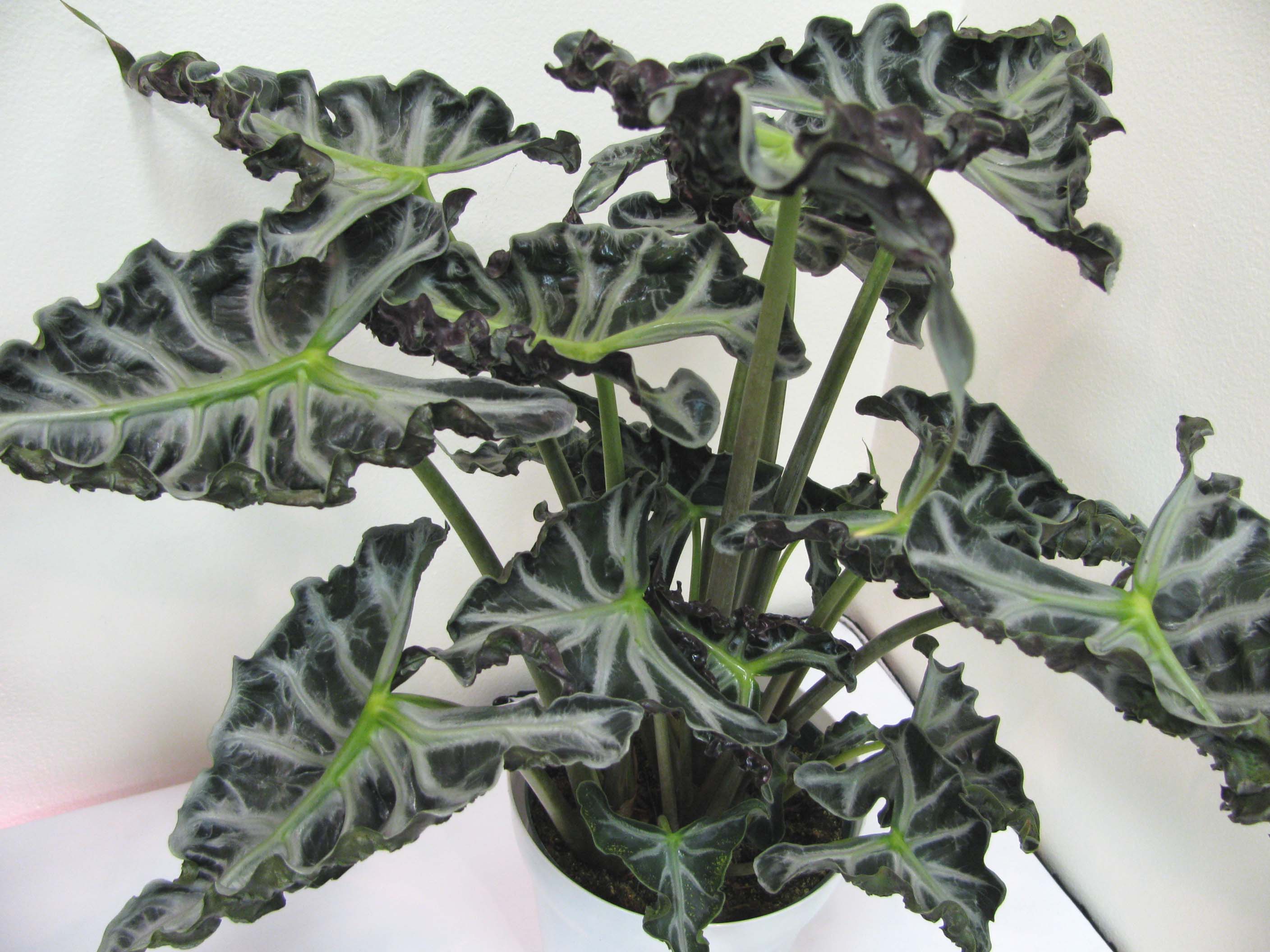
Alocasia Loco Tanaman Hias Daun Bunga Eksotis Tanaman

51 Alocasia Sarian Ideas Plant Care Tropical Plants Plant Leaves
Post a Comment for "Sarian Alocasia: The Ultimate Guide for Plant LoversConclusion"