Network Plant: Unveiling the Backbone of Communication Infrastructure
Are you reading this blog post on your smartphone, tablet, or PC? If yes, then you are already a part of the global communication network that connects us all. The Network Plant is the backbone of this communication infrastructure that enables us to connect with people and devices across the world.
In simple terms, the Network Plant is the physical infrastructure that carries data, voice, and video signals from one point to another. The Network Plant comprises a complex network of cables, routers, switches, and other networking equipment that work together to ensure seamless connectivity. In this blog post, we will take a closer look at the Network Plant and how it has evolved over time.
Evolution of Network Plant
The Network Plant has come a long way since the days of the telegraph and telephone. From copper wires to fiber-optic cables, the technology used in the Network Plant has undergone significant changes over the years. Here's a brief overview of the evolution of the Network Plant:
Copper Wires
Copper wires were the first medium used to transmit voice and data signals. The first transatlantic cable was laid in 1858, which allowed for telegraph messages to be sent between Europe and North America. Copper wires were also used in telephone lines, which revolutionized communication by allowing people to talk to each other in real-time.
Coaxial Cables
Coaxial cables were introduced in the 1940s and were used for television broadcasting. These cables had a higher bandwidth than copper wires and could carry more information. Coaxial cables were also used in early computer networks.
Fiber-Optic Cables
Fiber-optic cables are the most advanced medium used in the Network Plant today. These cables use light to transmit information and have a much higher bandwidth than copper wires or coaxial cables. Fiber-optic cables are used in long-distance communication, such as transatlantic cables and undersea cables.
Components of Network Plant
The Network Plant comprises several components that work together to ensure seamless connectivity. Here's a brief overview of some of the key components:
Routers
Routers are networking devices that connect multiple networks together. They use routing tables to determine the best path for data to travel from one network to another.
Switches
Switches are networking devices that connect devices within a network. They use MAC addresses to direct data to the correct device.
Cables
Cables are the physical medium used to transmit data. There are several types of cables used in the Network Plant, including copper wires, coaxial cables, and fiber-optic cables.
Servers
Servers are computers that provide services to other computers on the network. They can host websites, store files, and run applications.
Firewalls
Firewalls are security devices that monitor and control incoming and outgoing network traffic. They can prevent unauthorized access to the network and protect against malware and other threats.
Challenges Faced by Network Plant
The Network Plant faces several challenges that can impact its performance. Here are some of the key challenges:
Bandwidth Limitations
The amount of data being transmitted across the Network Plant is increasing exponentially, which can cause bandwidth limitations. This can lead to slower network speeds and longer download times.
Security Threats
The Network Plant is vulnerable to security threats such as hacking, viruses, and malware. These threats can compromise the integrity of the network and lead to data breaches.
Network Congestion
Network congestion occurs when there is too much traffic on the network. This can lead to slower network speeds and dropped connections.
Future of Network Plant
The future of the Network Plant looks promising with the emergence of new technologies such as 5G and the Internet of Things (IoT). Here are some of the key trends to watch out for:
5G Technology
5G technology promises faster network speeds and lower latency. It will enable new applications such as autonomous vehicles, virtual reality, and remote surgery.
Cloud Computing
Cloud computing allows for the storage and processing of data on remote servers. This can reduce the load on local networks and improve network performance.
Edge Computing
Edge computing involves the processing of data at the edge of the network, closer to where it is generated. This can reduce latency and improve network performance.
The Network Plant is the backbone of our global communication infrastructure. It has evolved over time from copper wires to fiber-optic cables. The Network Plant comprises several components that work together to ensure seamless connectivity. However, it faces several challenges such as bandwidth limitations and security threats. The future of the Network Plant looks promising with the emergence of new technologies such as 5G and cloud computing.
Frequently Asked Questions About Network Plant
Q1. What is a Network Plant?
A1. The Network Plant is the physical infrastructure that carries data, voice, and video signals from one point to another.
Q2. What are the components of the Network Plant?
A2. The Network Plant comprises several components, including routers, switches, cables, servers, and firewalls.
Q3. What are the challenges faced by the Network Plant?
A3. The Network Plant faces several challenges, including bandwidth limitations, security threats, and network congestion.
Q4. What is 5G technology?
A4. 5G technology promises faster network speeds and lower latency. It will enable new applications such as autonomous vehicles, virtual reality, and remote surgery.
Q5. What is cloud computing?
A5. Cloud computing allows for the storage and processing of data on remote servers. This can reduce the load on local networks and improve network performance.
Q6. What is edge computing?
A6. Edge computing involves the processing of data at the edge of the network, closer to where it is generated. This can reduce latency and improve network performance.
Q7. What are the advantages of fiber-optic cables over copper wires?
A7. Fiber-optic cables have a much higher bandwidth than copper wires and can carry more information. They are also less susceptible to interference and can transmit signals over longer distances.
Q8. What is a firewall?
A8. A firewall is a security device that monitors and controls incoming and outgoing network traffic. It can prevent unauthorized access to the network and protect against malware and other threats.
Q9. What is network congestion?
A9. Network congestion occurs when there is too much traffic on the network. This can lead to slower network speeds and dropped connections.
Q10. What is the future of the Network Plant?
A10. The future of the Network Plant looks promising with the emergence of new technologies such as 5G and cloud computing.
14 Network plant Images

Dusty Hinz Holding Yacon Tubers Photo Courtesy Of Experimental Farm
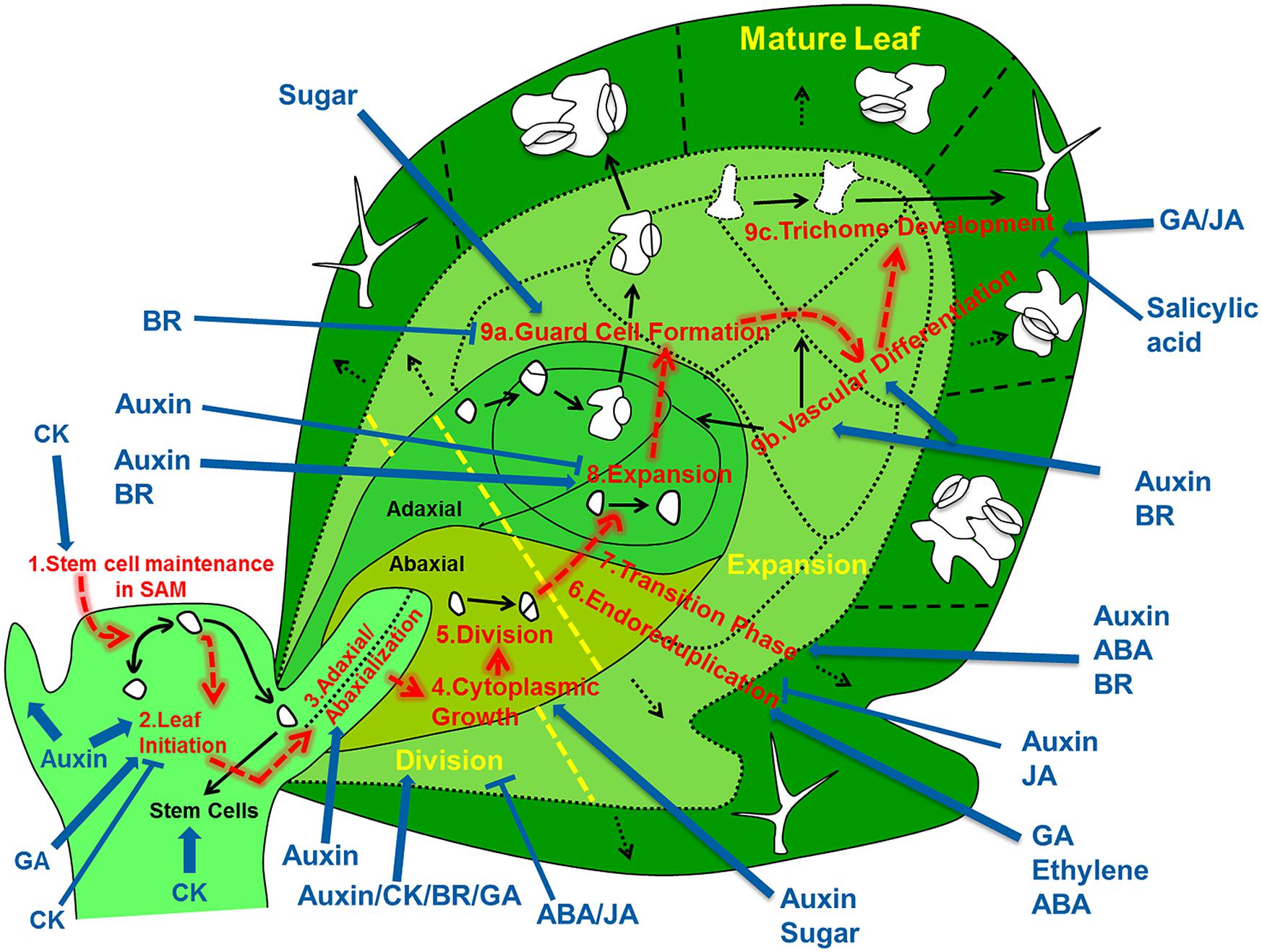
Leaf Development A Cellular Perspective Plasma Membrane Gene

Rooting Plants Cuttings Plant Propagation Methods The Gardeners Network

Thunder Bay Weather Network Beautiful Landscapes Weather Photos

He FTTx Network Applications In GPON Access Have The Following In

Pin By Land Design Network On Plants Plants Herbs

Floramore Azalea Hot Pink 1pc National Plant Network USDA

International Crassulaceae Network Identify Plant Plants Sedum

Calathea BellamusaicaNetwork Calathea Plant Care Herbs

Httpwwwpublicfarm1org Project Public Farm 1 Location New York

The Best PlantBased Proteins Healthy Recipes Tips And Ideas Mains

Pin On Backyard Gardening

So Cool Weather Network Weather Photos Weather

17 Best Images About GraphicsInfographic On Pinterest Le Corbusier
Post a Comment for "Network Plant: Unveiling the Backbone of Communication Infrastructure"